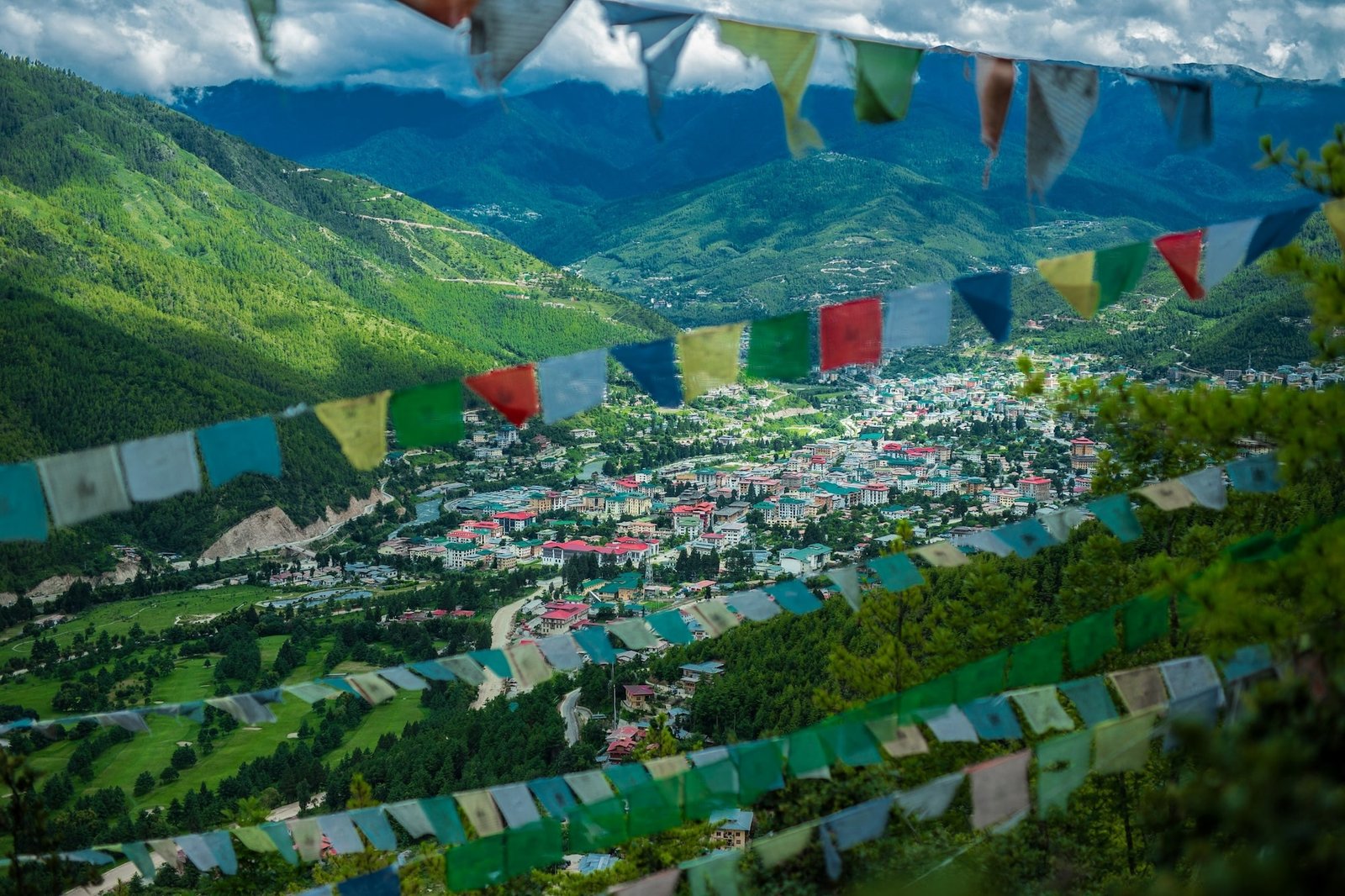
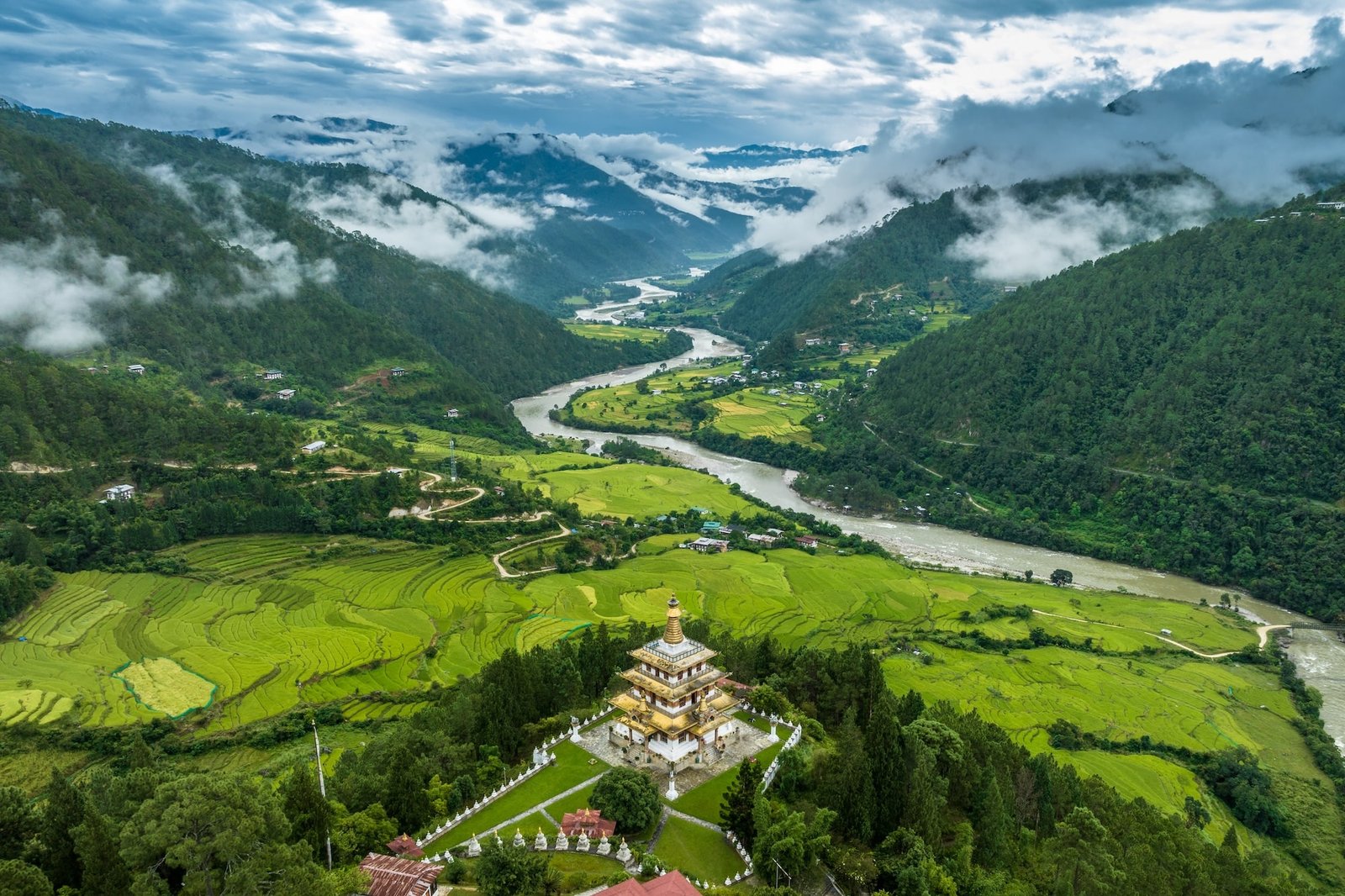
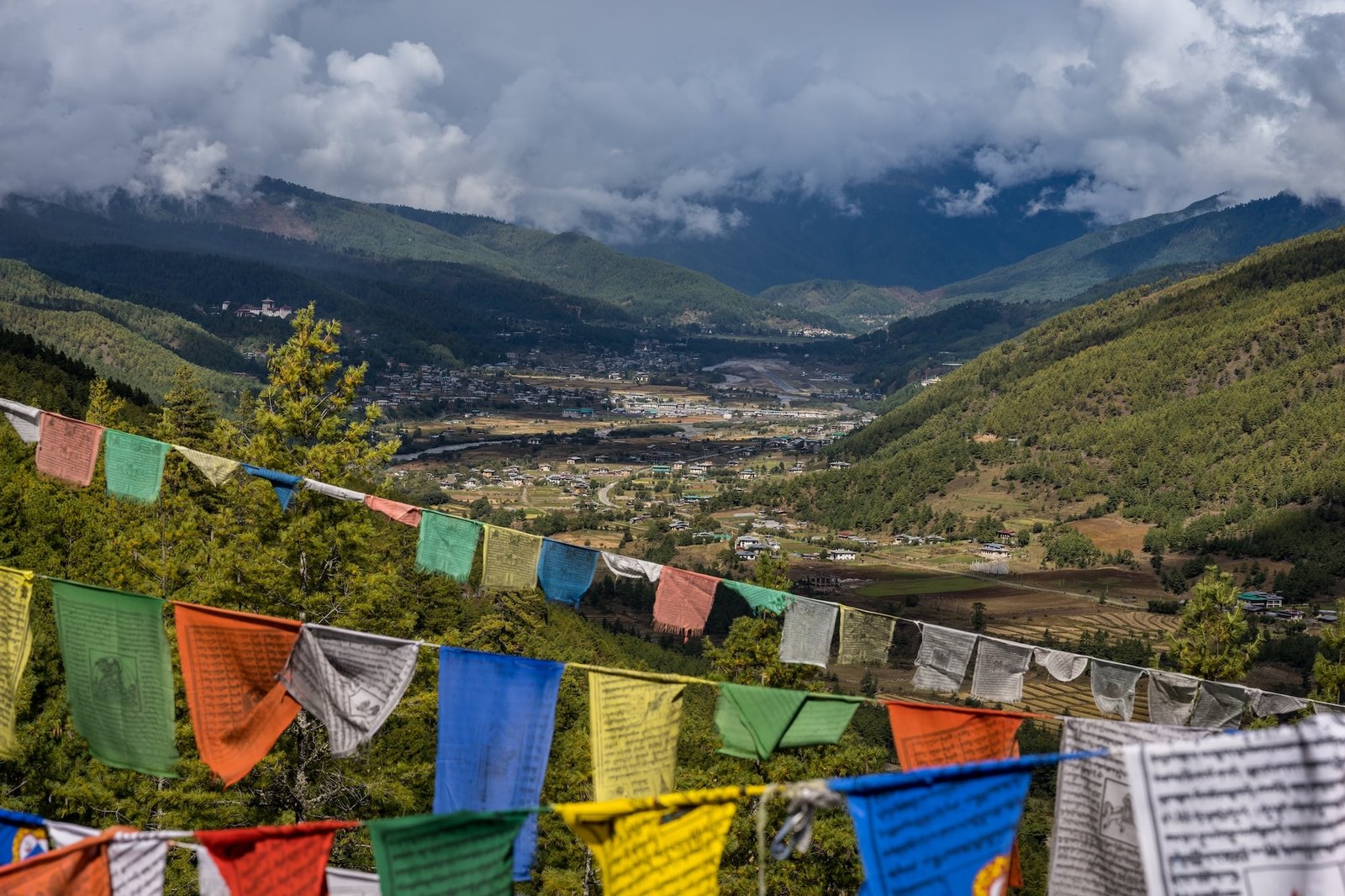
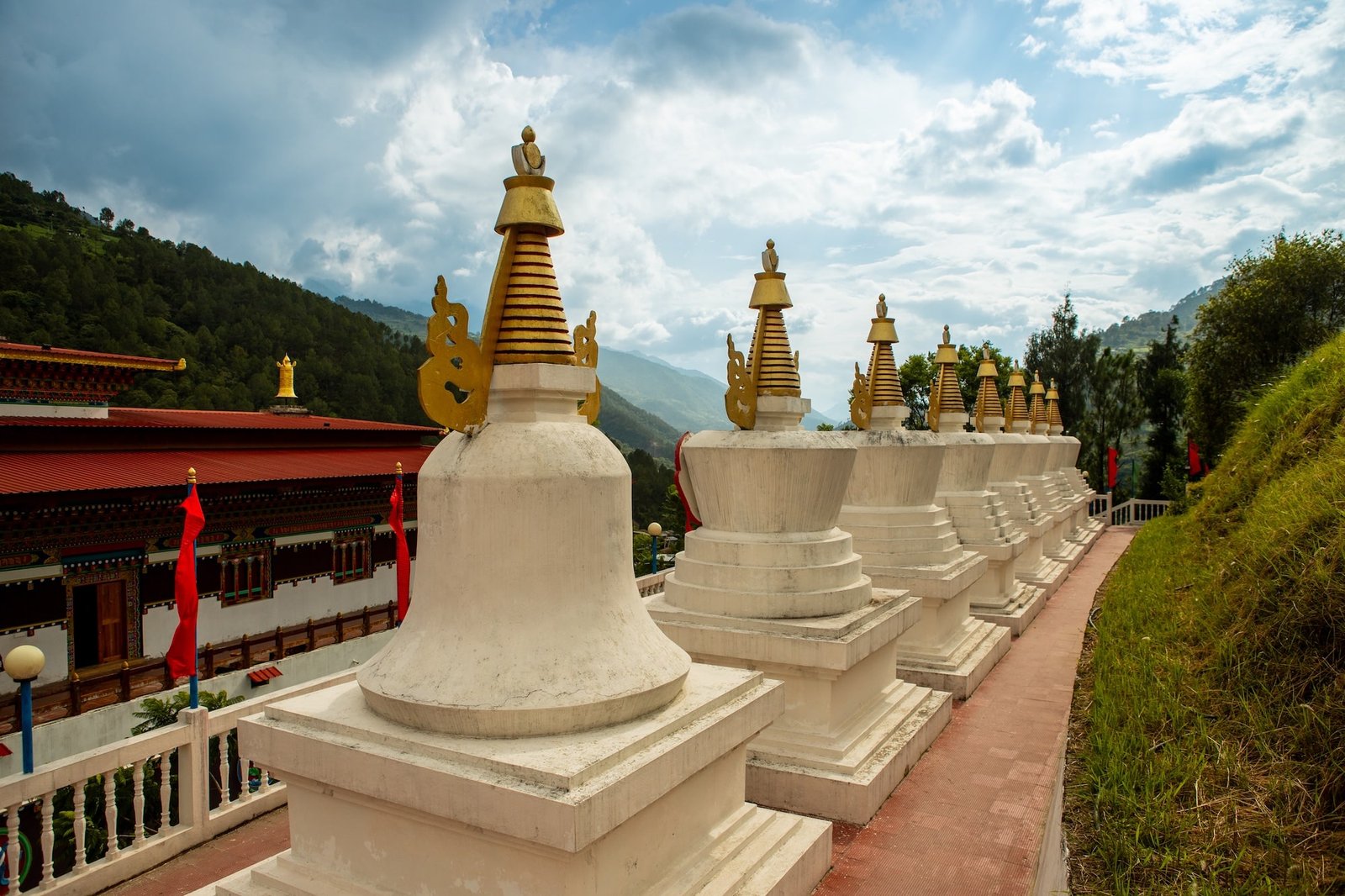
Eastern Bhutan is where the country’s raw beauty and authentic traditions shine brightest. Less traveled and deeply spiritual, this region offers visitors a rare glimpse into Bhutan’s untouched landscapes, vibrant festivals, and the warm hospitality of its people. From misty mountains and hidden monasteries to weavers’ villages and ancient dzongs, Eastern Bhutan is a paradise for explorers seeking cultural depth and off-the-beaten-path adventures.
The region encompasses the districts of Mongar, Trashigang, Trashiyangtse, Lhuentse, and Pemagatshel — each with its own distinct identity, heritage, and breathtaking scenery. The journey to the east is long but rewarding, passing through mountain passes, terraced fields, and lush forests where life flows at a peaceful pace. Visitors will find fewer tourists, more genuine encounters, and a deeper connection to Bhutan’s living traditions.
Top Attractions in Eastern Bhutan
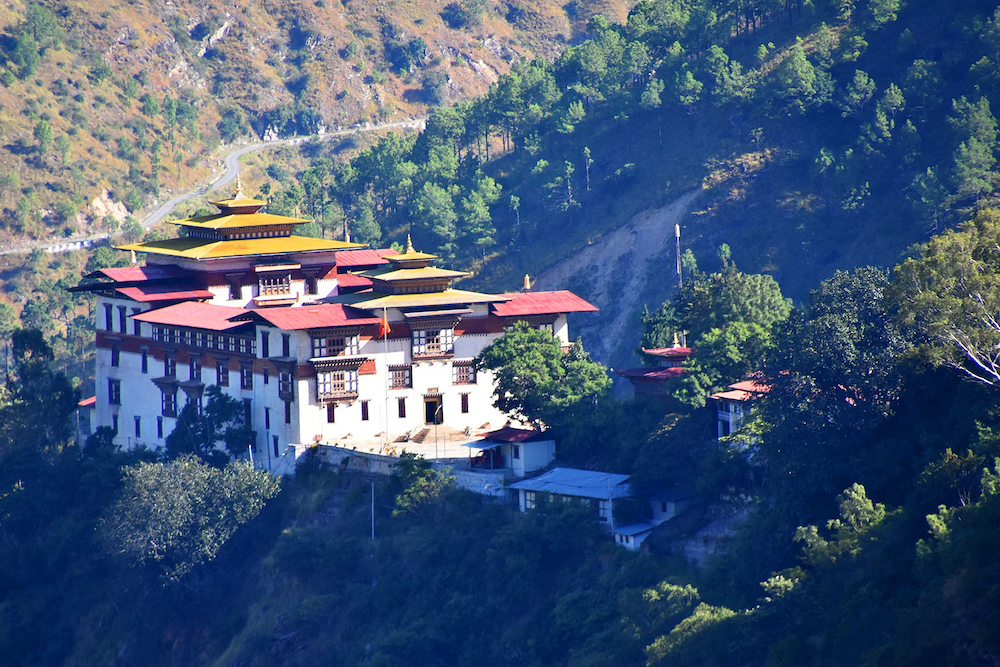
Trashigang Dzong – The Jewel of the East
Dramatically perched above the Drangme Chhu River, Trashigang Dzong is a majestic fortress that once guarded trade routes and today remains a hub of monastic life and festivals.
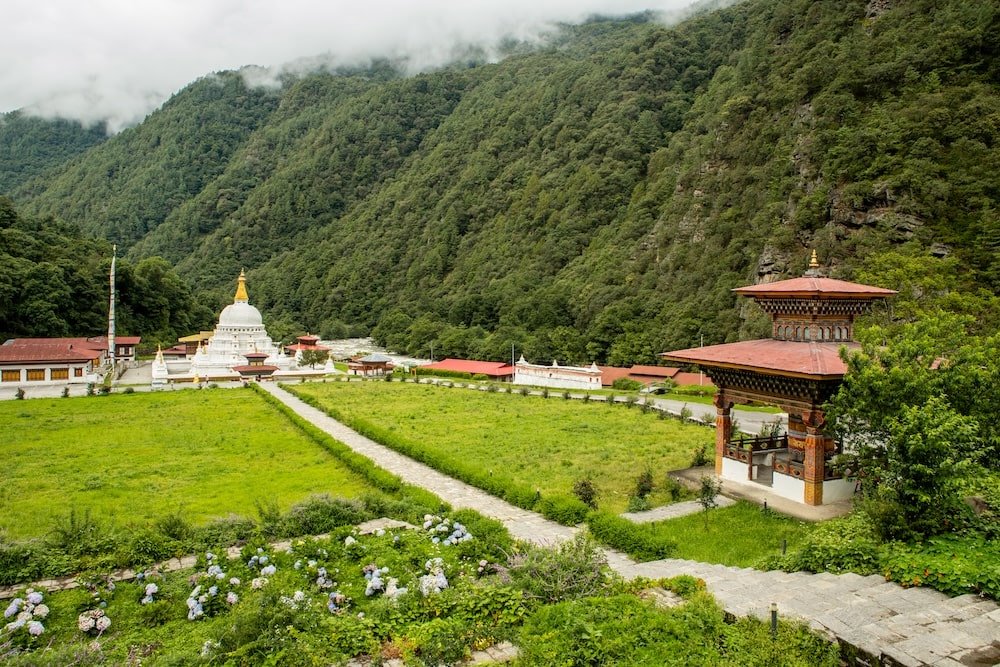
Trashiyangtse – The Valley of Craftsmen
Nestled in a serene valley, Trashiyangtse is known for its woodcrafts and the sacred Chorten Kora, where pilgrims gather during the vibrant annual festival.
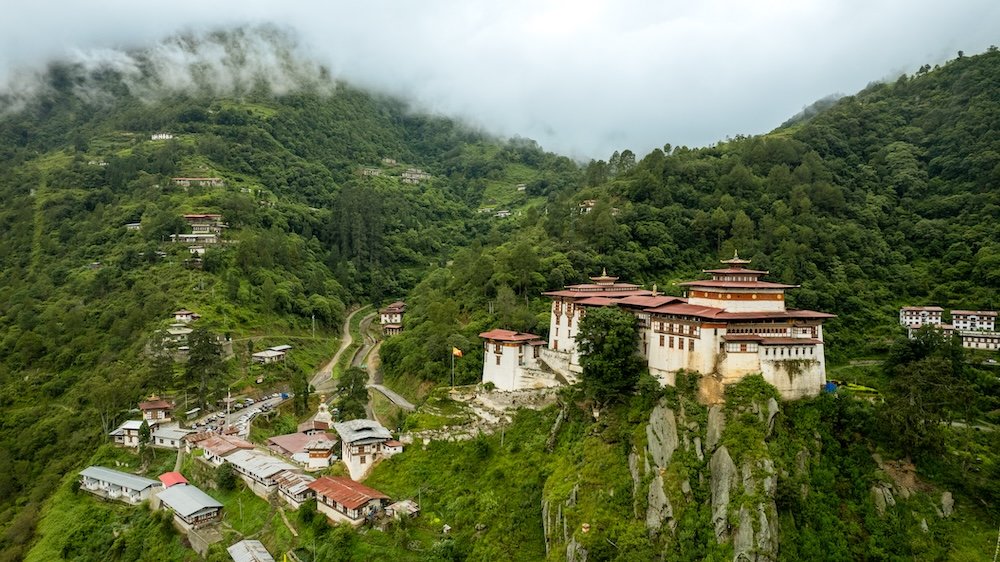
Lhuentse – The Home of Royal Ancestry
Remote and spiritual, Lhuentse is the ancestral home of Bhutan’s royal family and the center of Kishuthara weaving, Bhutan’s most exquisite textile art.
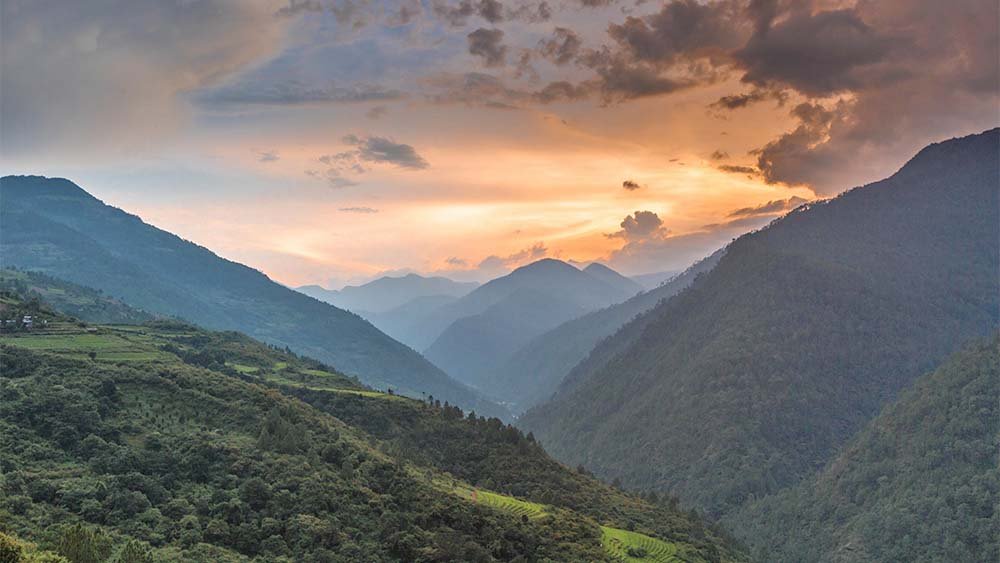
Mongar – The Gateway to Eastern Bhutan
A charming hill town with a perfect blend of tradition and modernity, Mongar features a beautifully built dzong and serves as the entry point to Bhutan’s east.
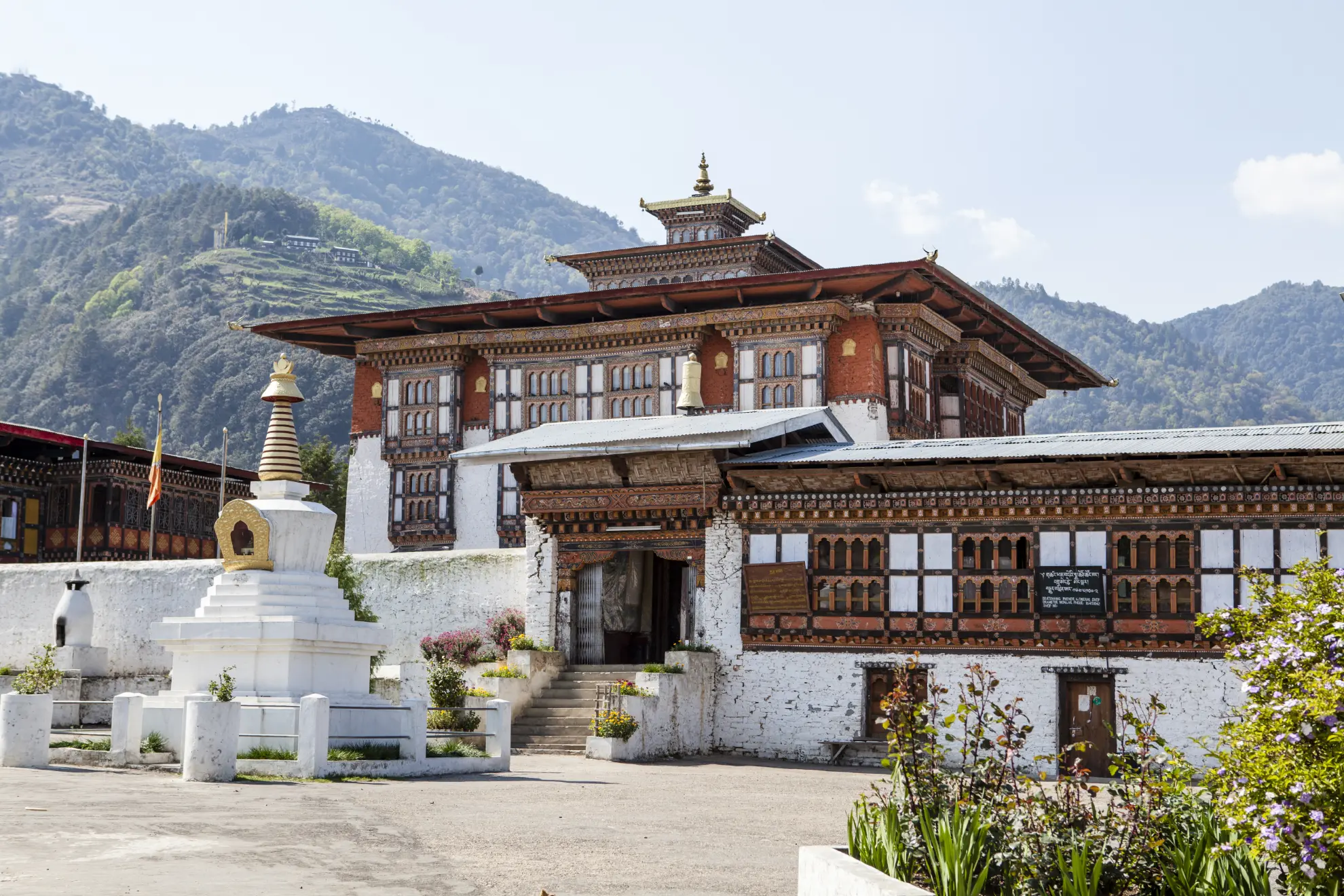
Drametse Monastery
Renowned as the birthplace of the Drametse Nga Cham mask dance, Drametse Monastery is a sacred site and a symbol of Bhutan’s living cultural heritage.
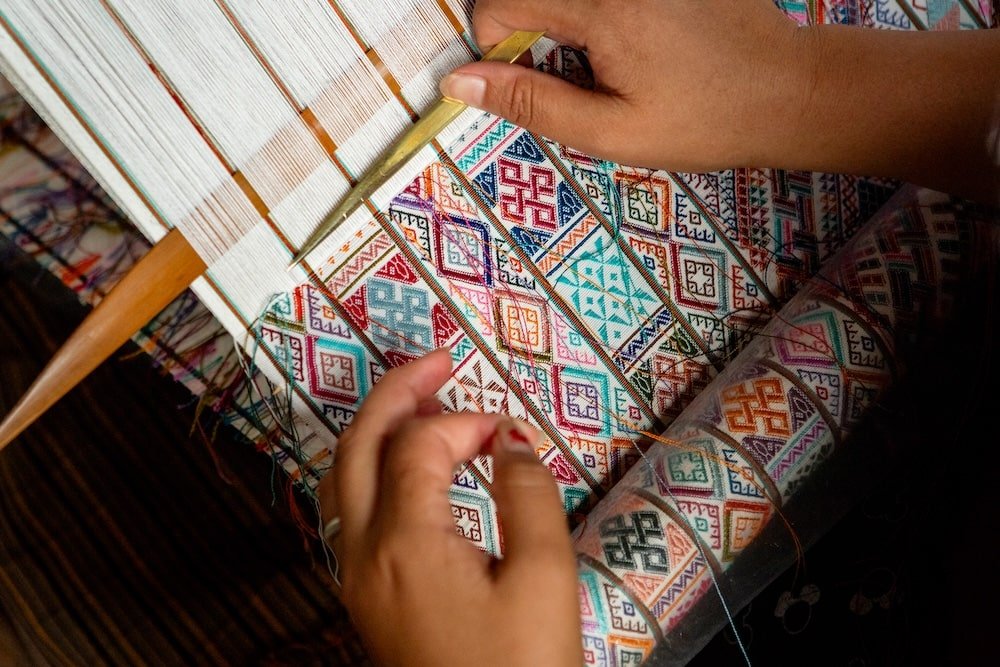
Khoma Village
Famous for its skilled weavers and intricate handwoven textiles, Khoma Village offers visitors a close look at Bhutan’s traditional artistry and local way of life.
Why Visit Eastern Bhutan
Eastern Bhutan is where travelers experience Bhutan’s most authentic side — untouched by mass tourism and rich with living traditions. Whether you’re exploring ancient monasteries, attending remote festivals, or trekking through pristine valleys, the region offers a sense of discovery and peace unlike anywhere else in the Himalayas.
Best Time to Visit Eastern Bhutan
The ideal time to visit is during autumn (September–November) and spring (March–May), when the weather is clear and local festivals fill the valleys with color, music, and spiritual energy.